he referee's whistle in 2009 still echoes. Andrés Iniesta's late strike at Stamford Bridge didn't just send Barcelona to the Champions League final—it cemented a rivalry that had been simmering for years. Chelsea players surrounded the referee, Didier Drogba screamed into a television camera, and a narrative of injustice took root. That night, Chelsea Barcelona became more than a fixture;it became a grudge match with philosophical weight.What separates this rivalry from others is the clash of styles. Barcelona's tiki-taka—the relentless passing carousel—met Chelsea's muscular, reactive counter-attacking. In 2012, the roles reversed. Chelsea, with ten men and a caretaker manager, parked the bus at the Camp Nou and somehow survived. Fernando Torres's late goal is still replayed with disbelief. That semifinal wasn't pretty, but it was pure Chelsea: stubborn。
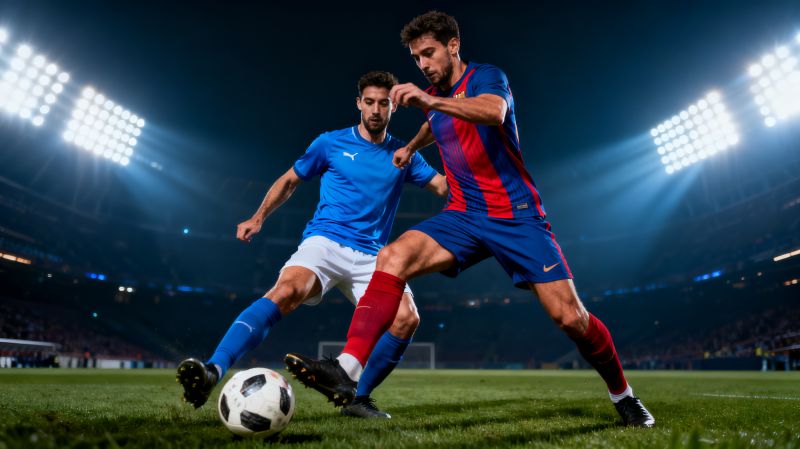
scrappy, and deeply effective. I've watched that second leg a dozen times, and the sheer audacity of defending so deep against prime Messi still feels like a fever dream.Personalities fuel the fire. José Mourinho, who once worked under Bobby Robson at Barcelona, returned to Chelsea and turned every meeting into a psychological opera. His touchline sprints at the Camp Nou in 2005 after a controversial win?Pure theater. Then Pep Guardiola's Barcelona, perhaps the best club side ever assembled。faced Guus Hiddink's Chelsea in 2009—a tie decided by a referee's decision so contentious it sparked death threats. You don't get that kind of raw emotion from a standard group-stage match. This rivalry matters because both clubs believe they represent football's soul: one through artistry, the other through resistance.Transfers add another layer. Cesc Fàbregas left Barcelona's La Masia for Arsenal, then returned, then moved to Chelsea and won two Premier League titles. Each reunion felt like a quiet referendum on where his loyalties lay. And who can forget Deco, Juliano Belletti, and Albert Ferrer swapping shirts between the two?These aren't just transactions;they're cultural crossovers that blur the lines. When Chelsea signed Pierre-Emerick Aubameyang in 2022, a former Barcelona striker, the irony wasn't lost on anyone. The clubs trade players like chess pieces。
but the underlying tension never softens.Modern meetings feel different—less blood, more respect—but the edge remains. A 2023 friendly in Las Vegas drew a sold-out crowd。proof that even exhibition matches carry weight. For Chelsea, beating Barcelona is a statement of relevance. For Barcelona, losing to Chelsea feels like a rejection of their footballing creed. The rivalry isn't the most frequent, but it's among the most psychologically complex. It's a story of near-misses, controversial calls, and two clubs that bring out the worst and best in each other. As long as one wears blue and the other blaugrana, every Chelsea Barcelona encounter carries the weight of history. And that, frankly, is why we watch.